What can this way of thinking actually create?
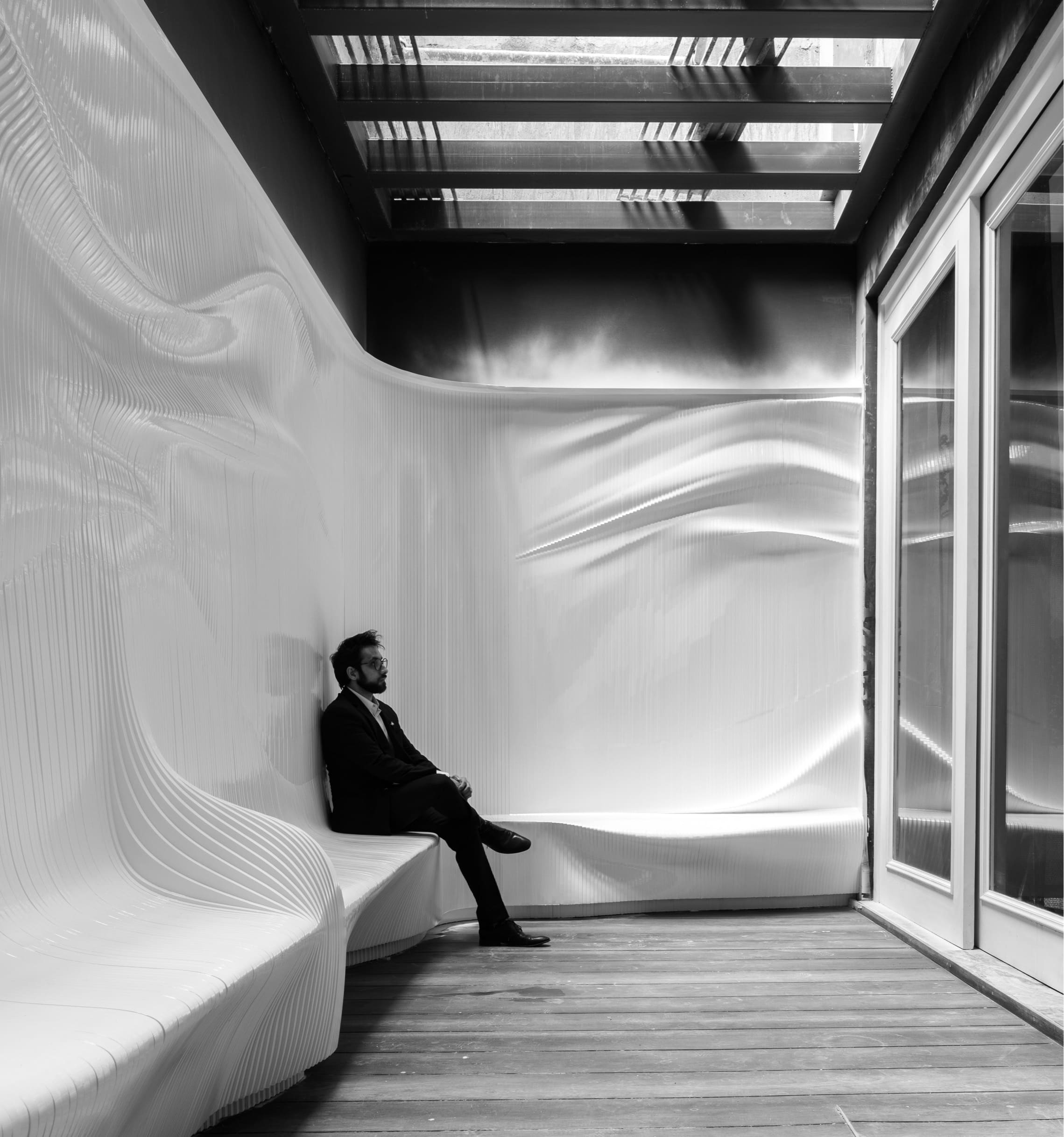
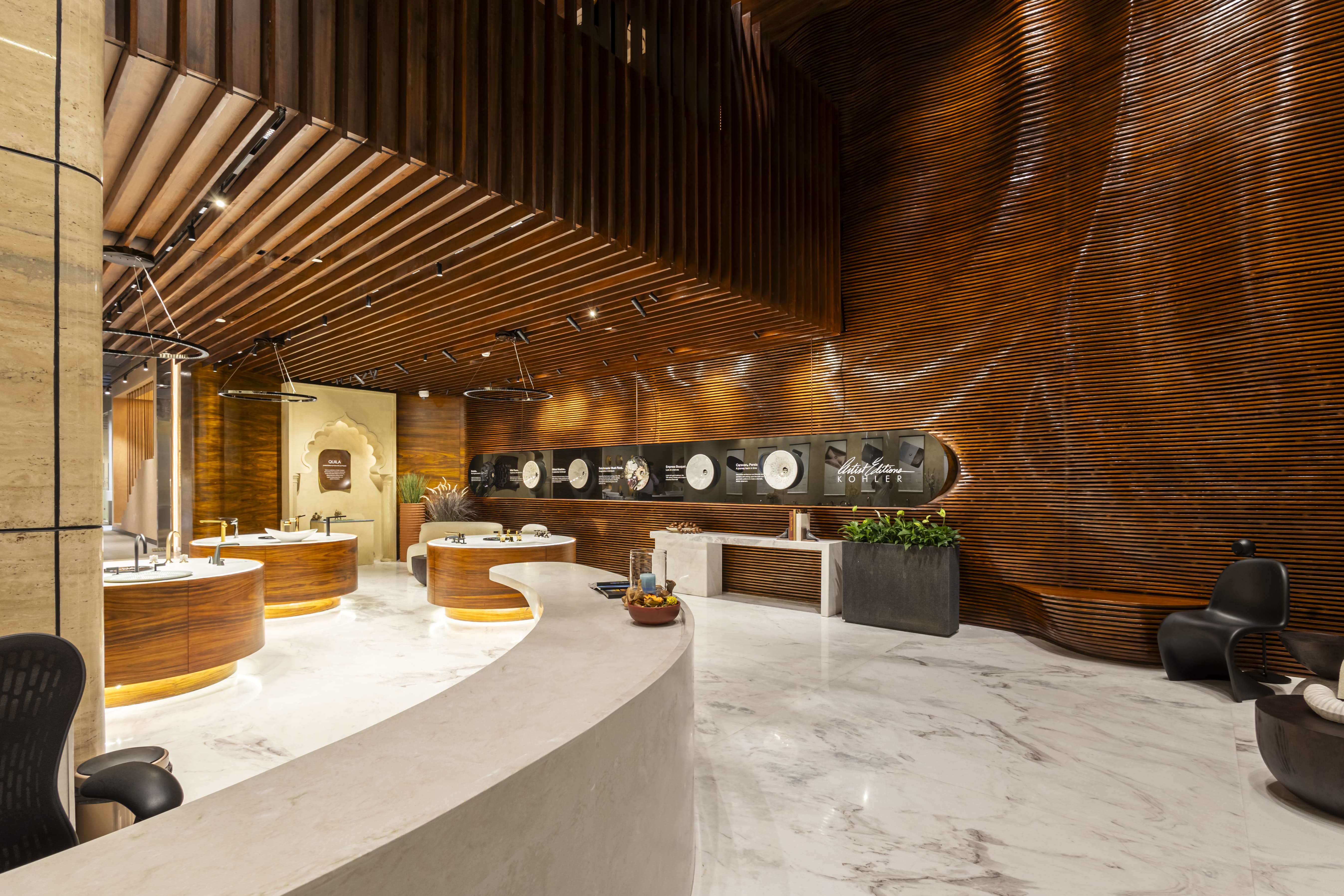
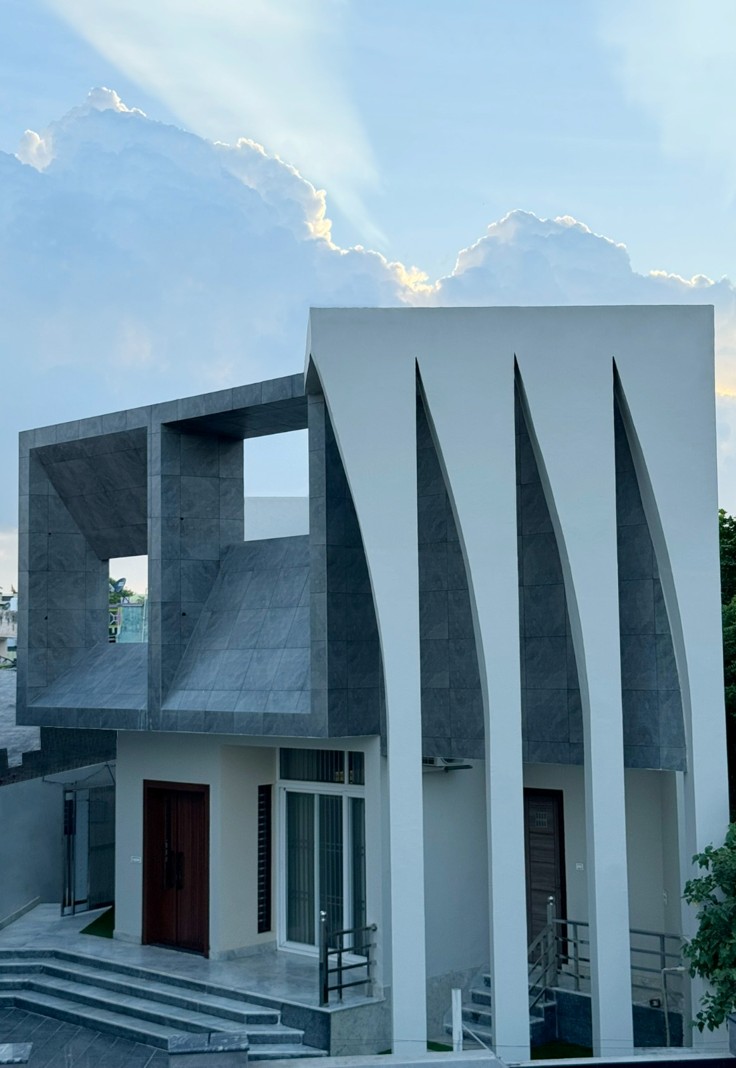
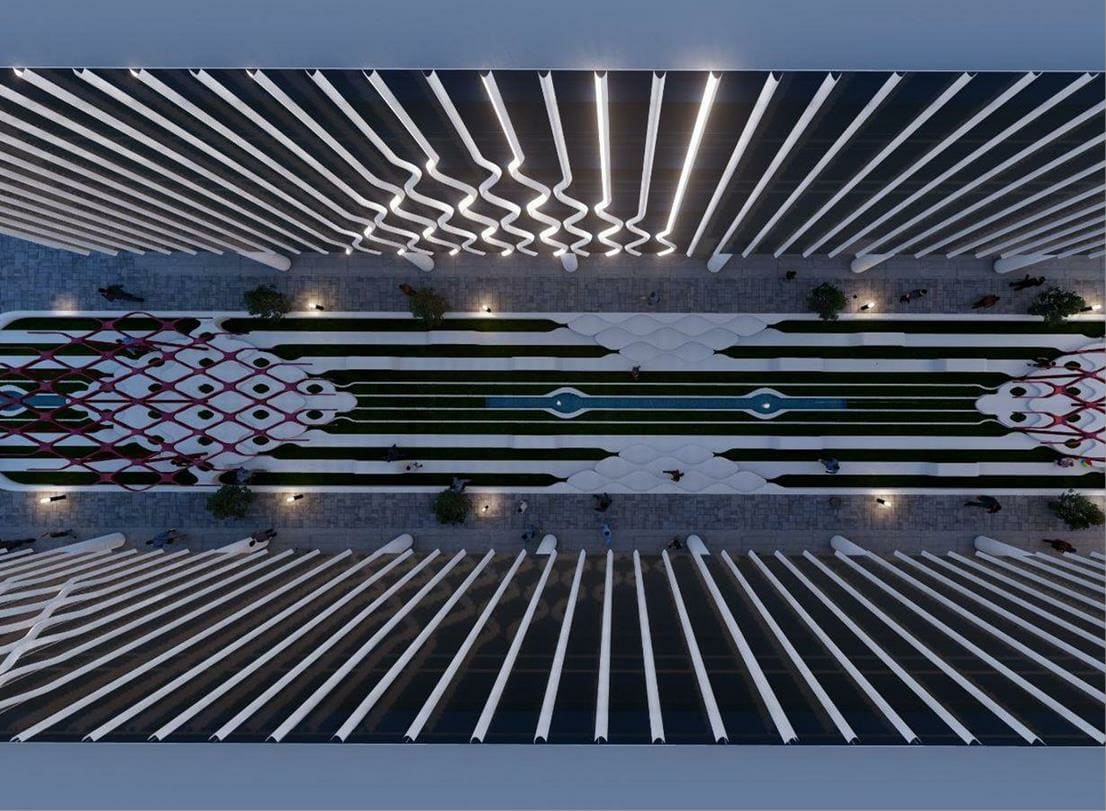
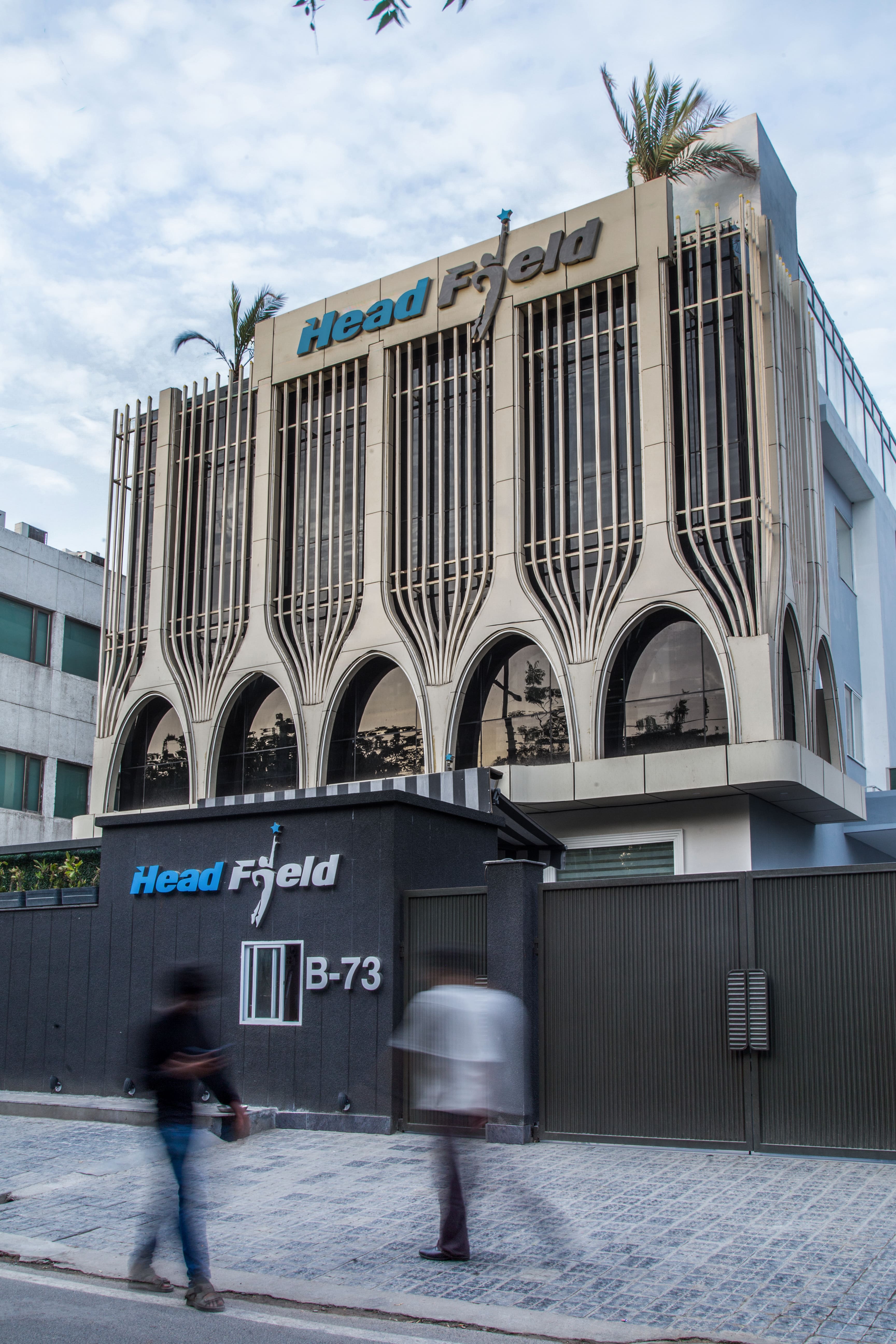
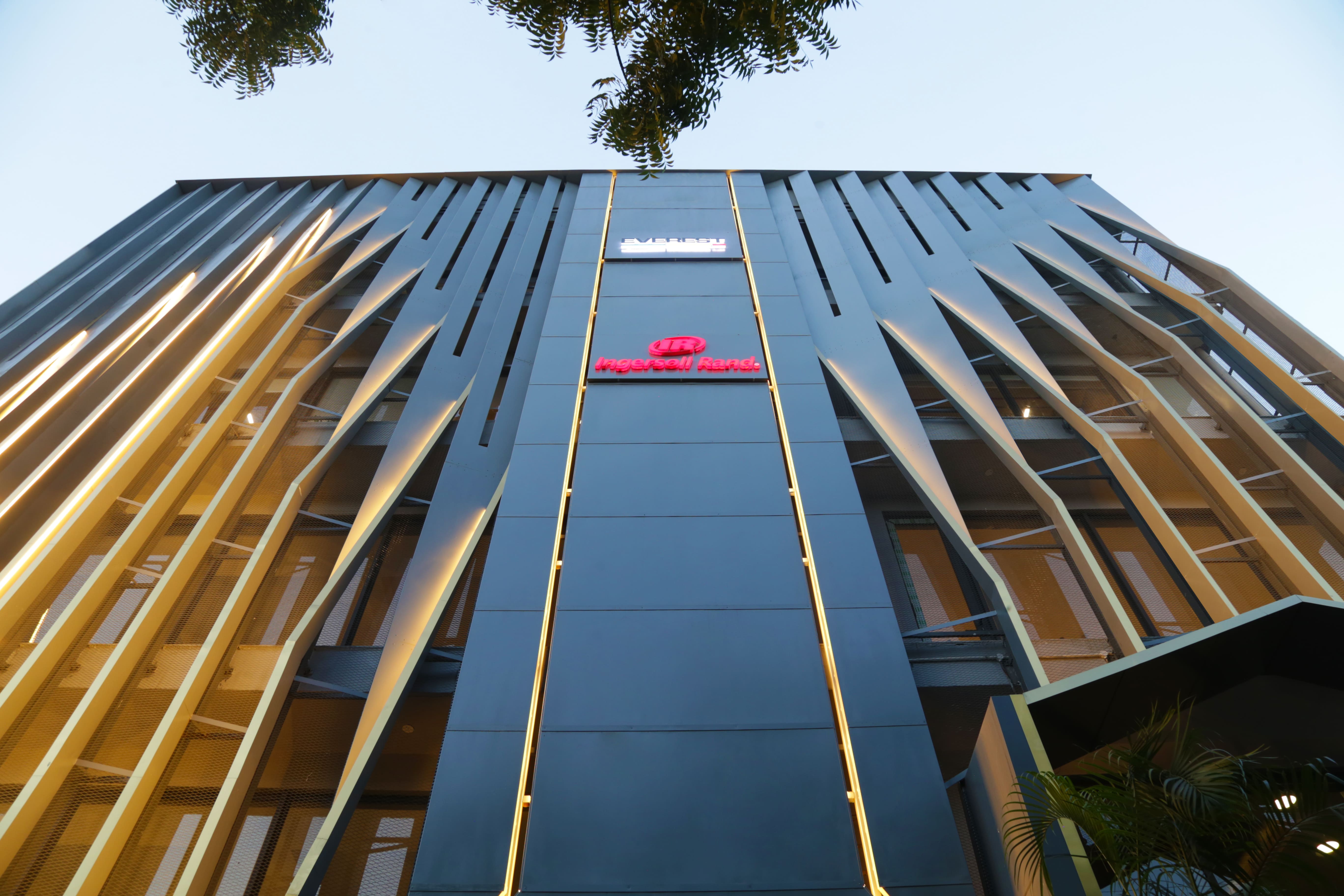
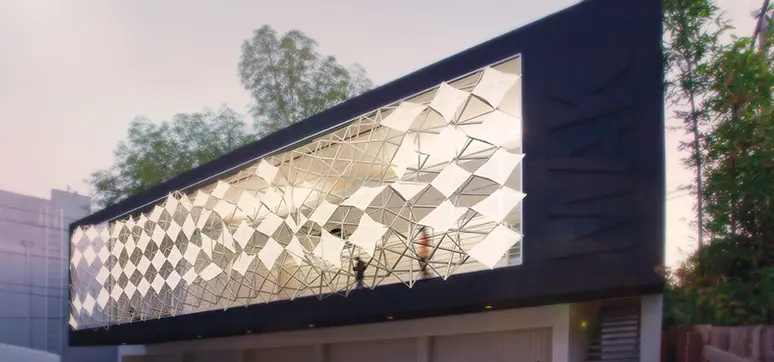
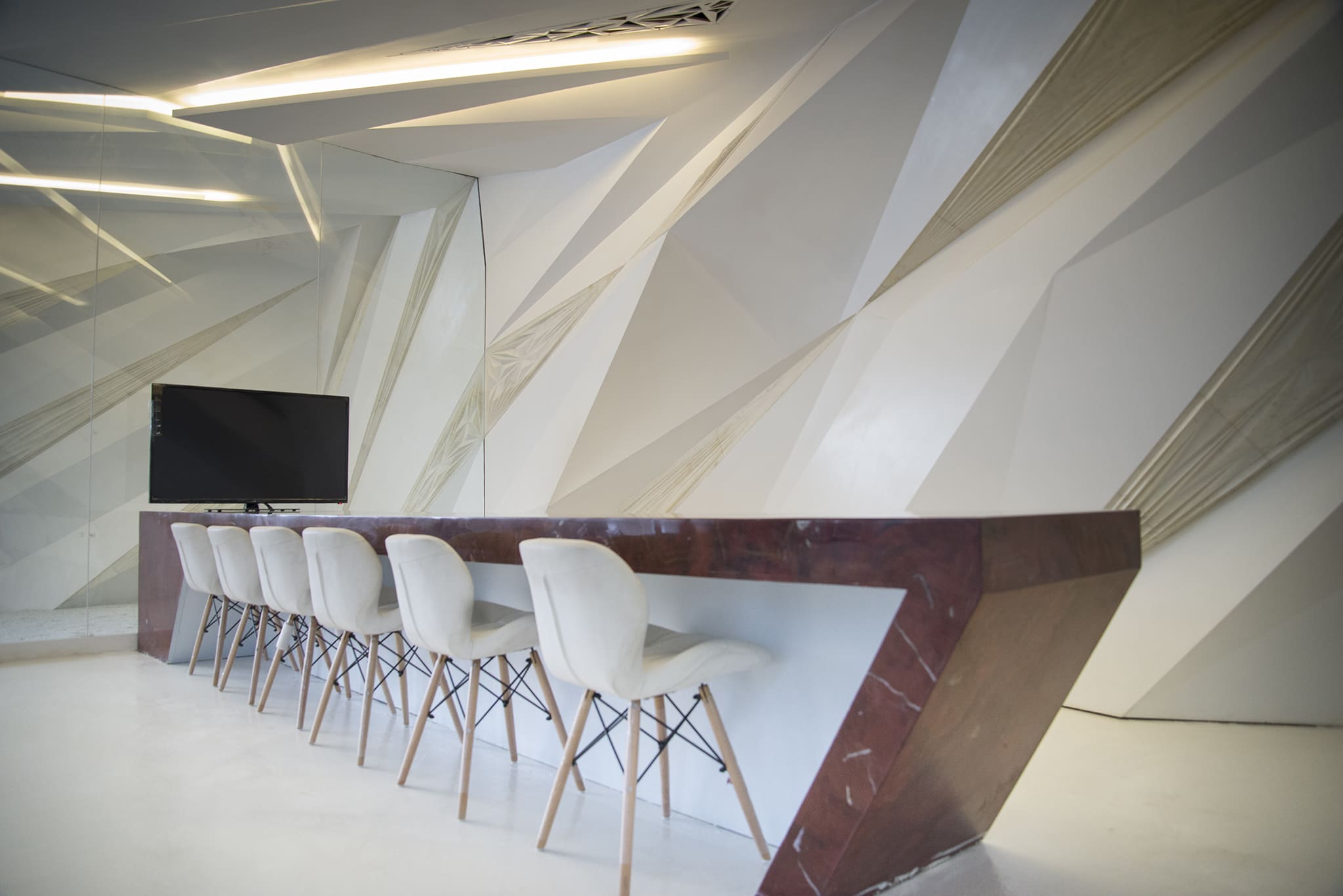
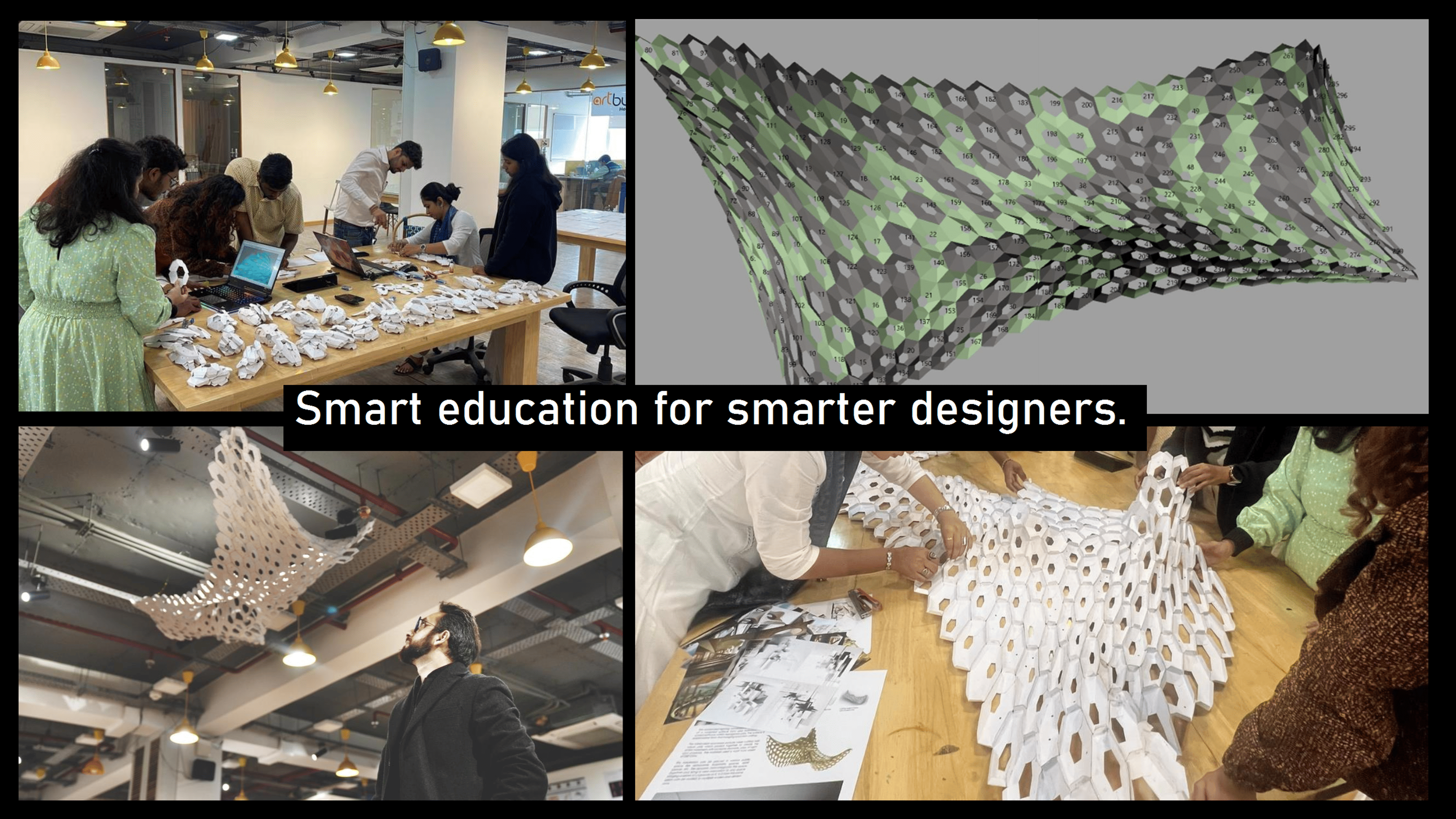
From façades and structures to fabrication, performance and generative systems — this is computation applied to real design problems.
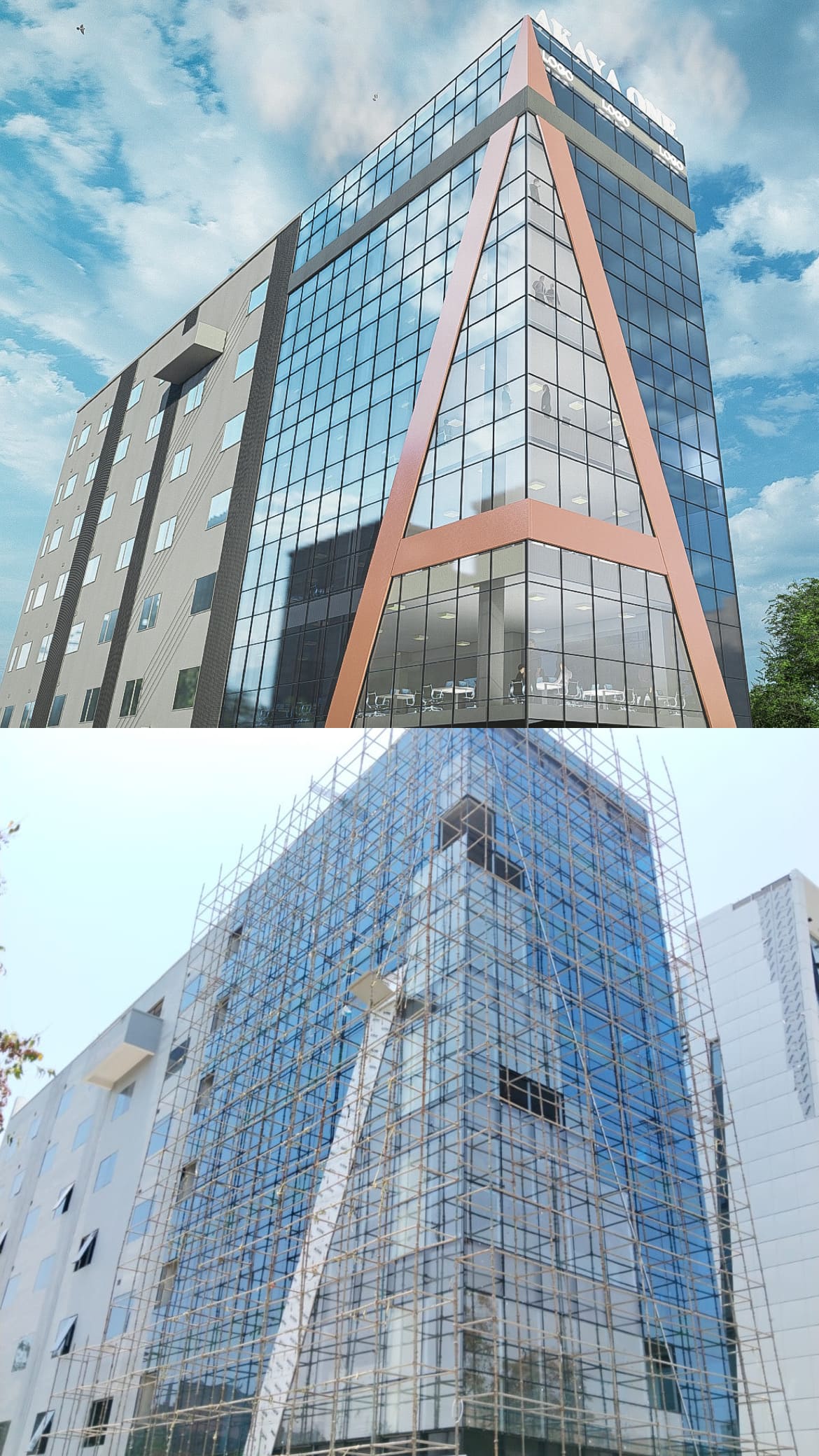
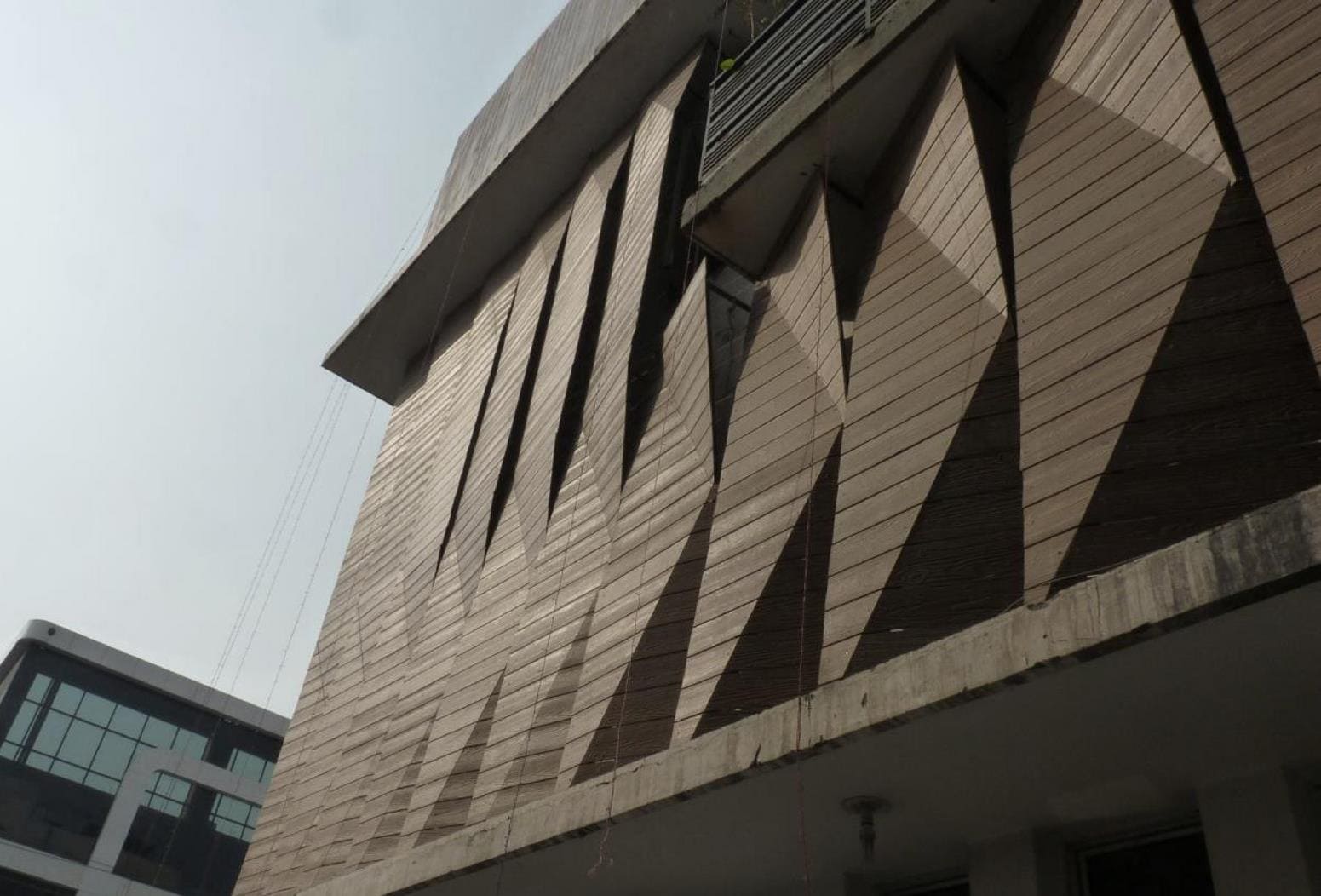
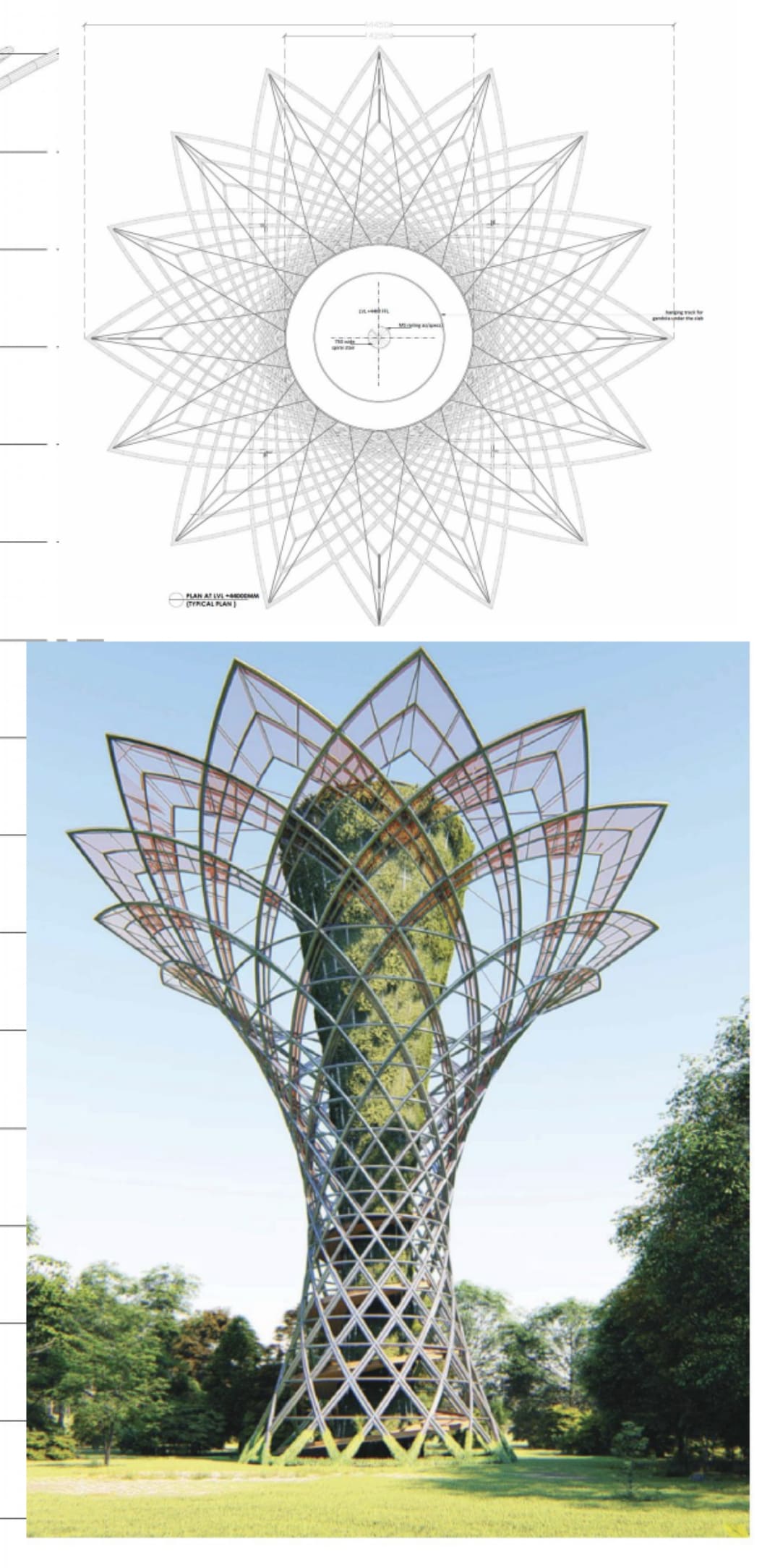
The future of design isn’t about
knowing more software.
It’s about knowing what you can
do with it.
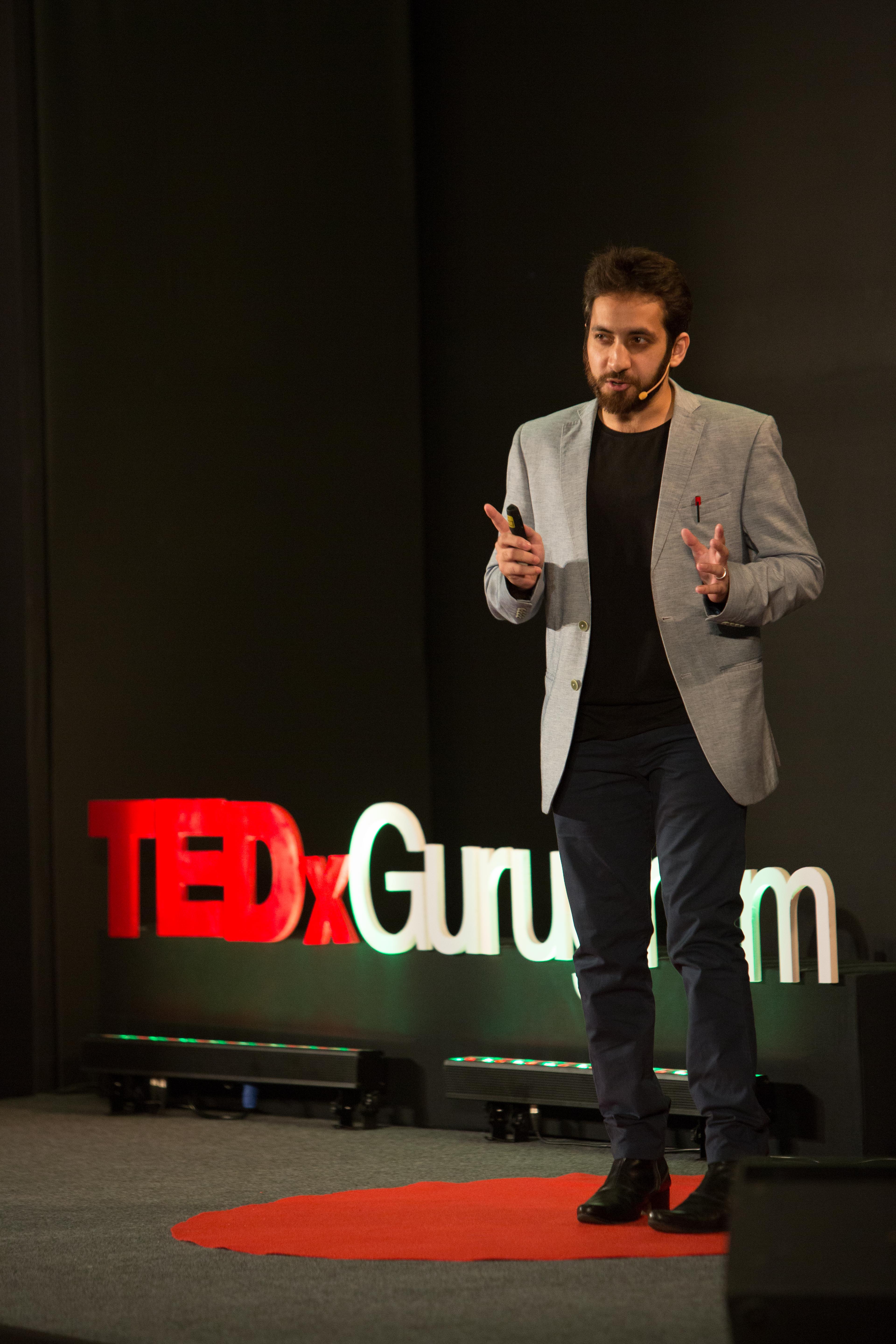
For over a decade, Ar. Sushant Verma has worked at the intersection of architecture, computation, technology and making—translating complex design ideas into built projects, experimental systems and new ways of working.




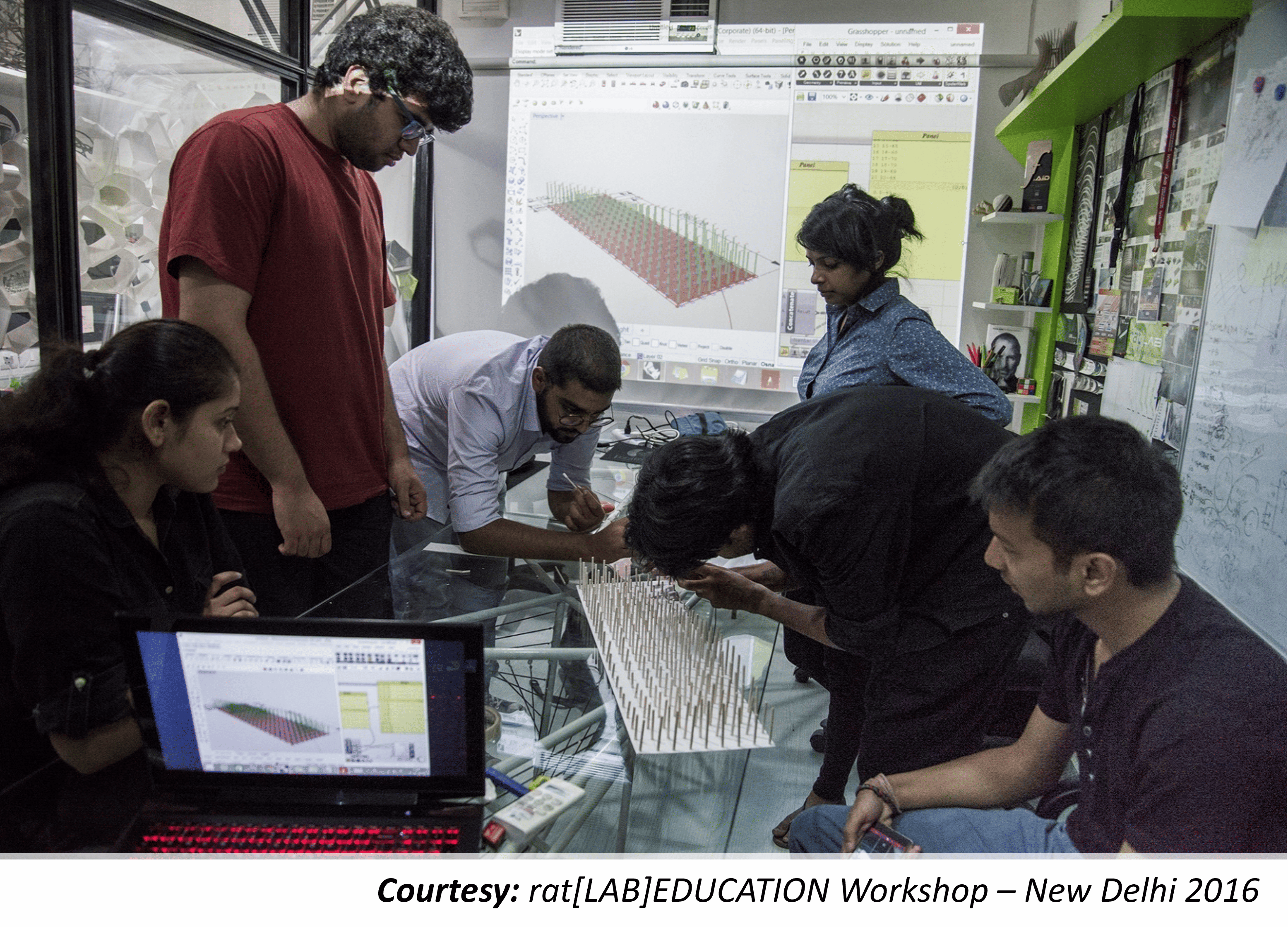
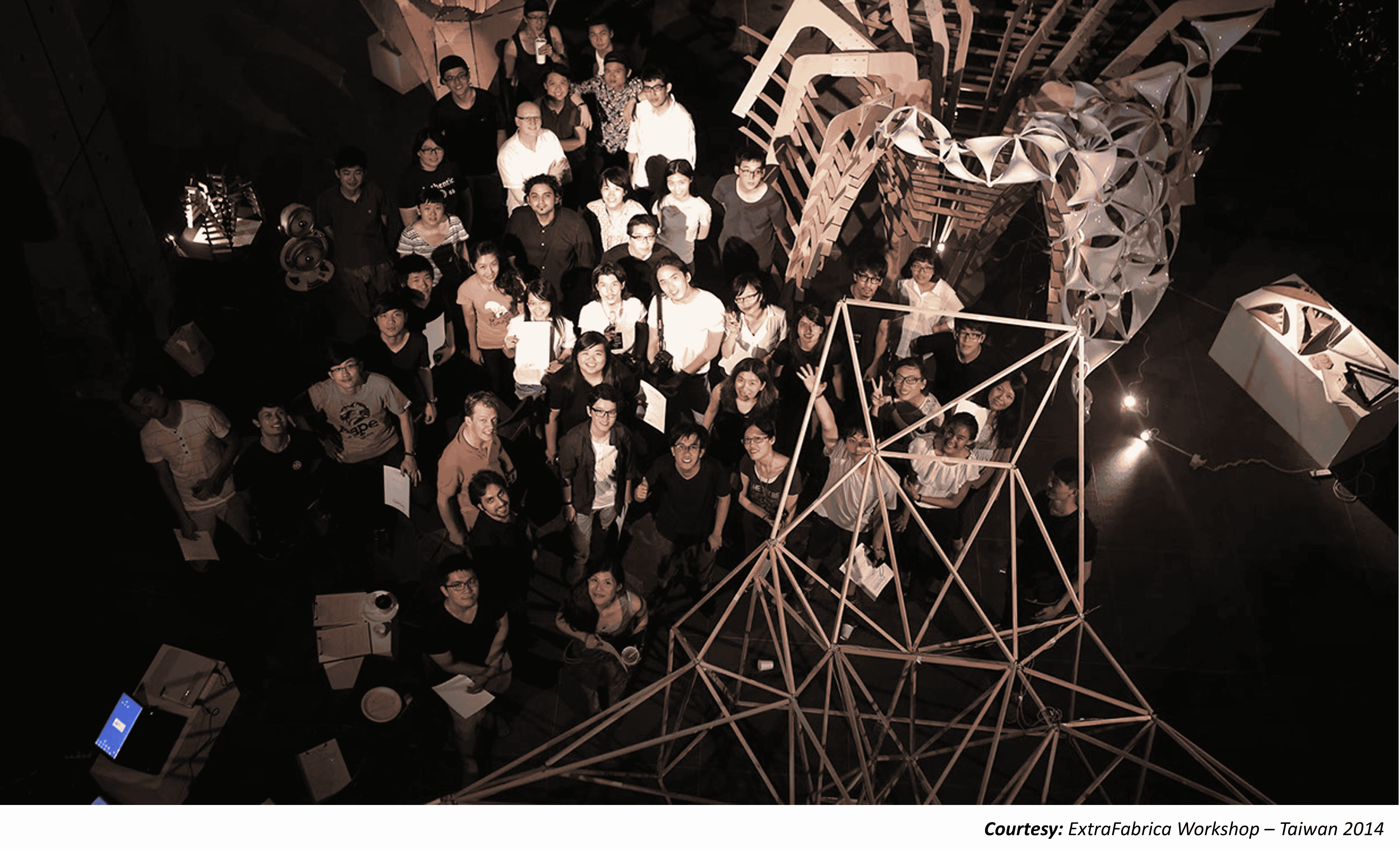
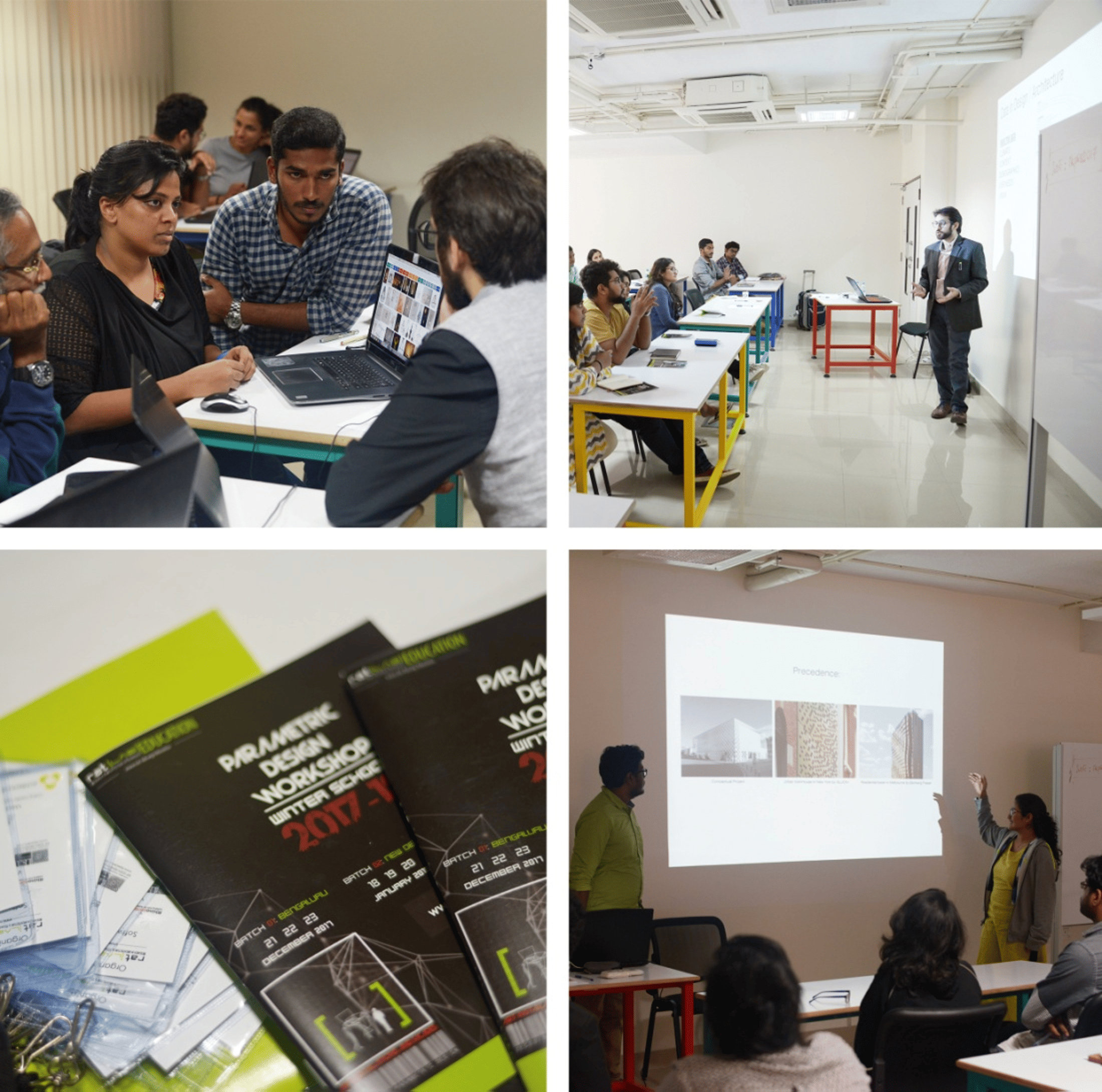
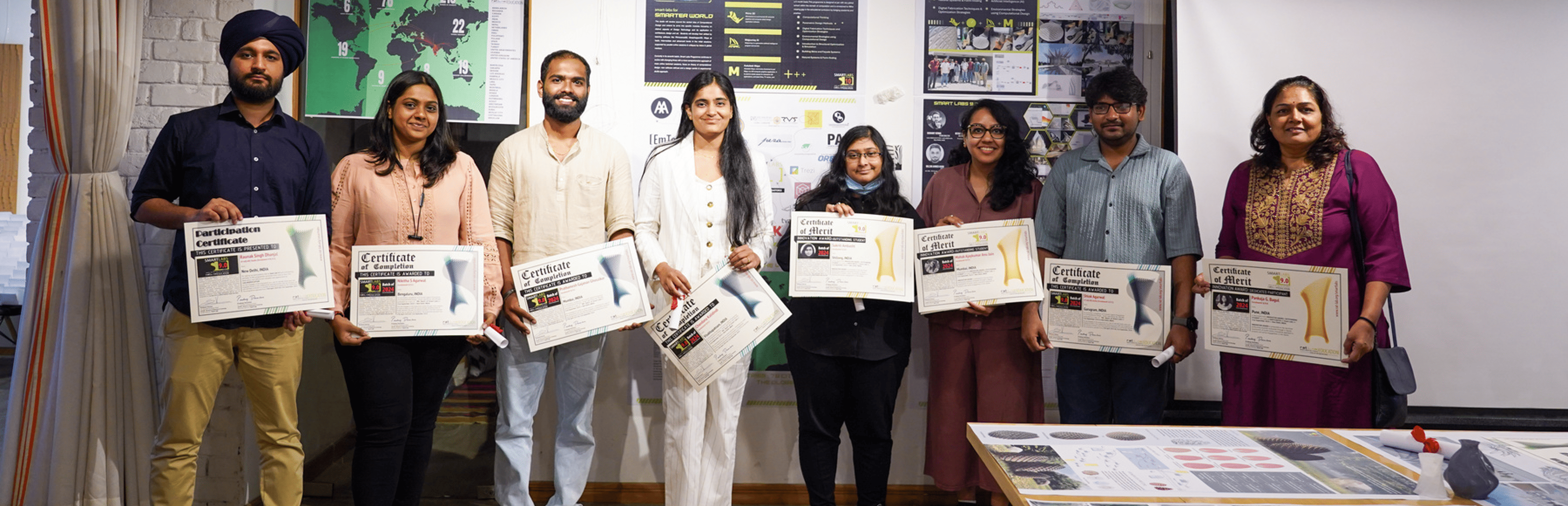
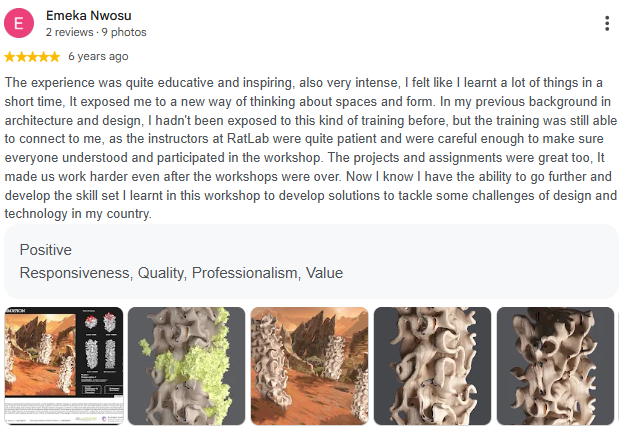

They're related but not identical. Parametric design specifically means designing through parameters and relationships, so that changing one input updates the geometry automatically. Computational design is the broader discipline — it includes parametric modelling, but also generative design, algorithmic thinking, data-driven analysis, and computational fabrication.
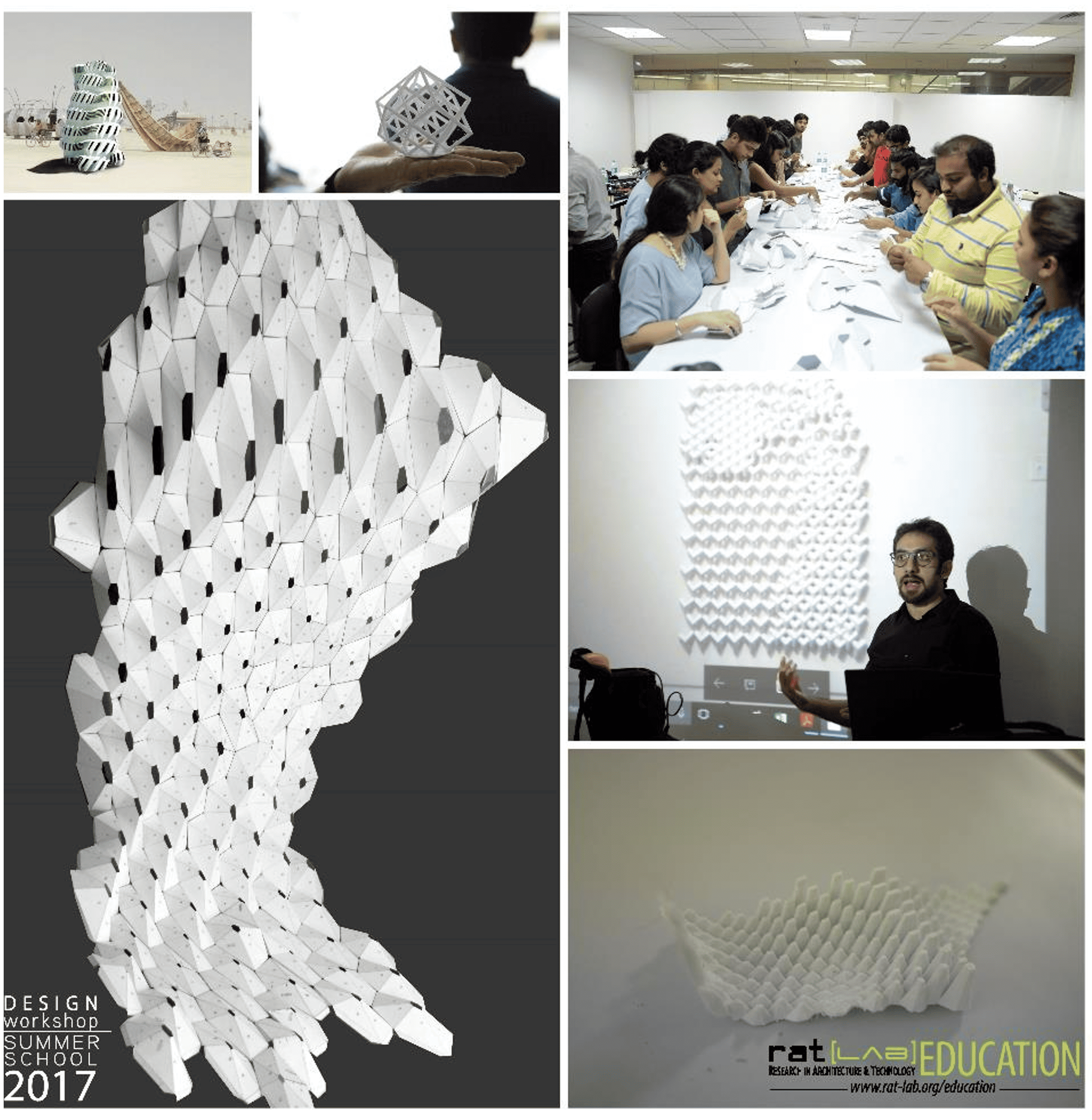
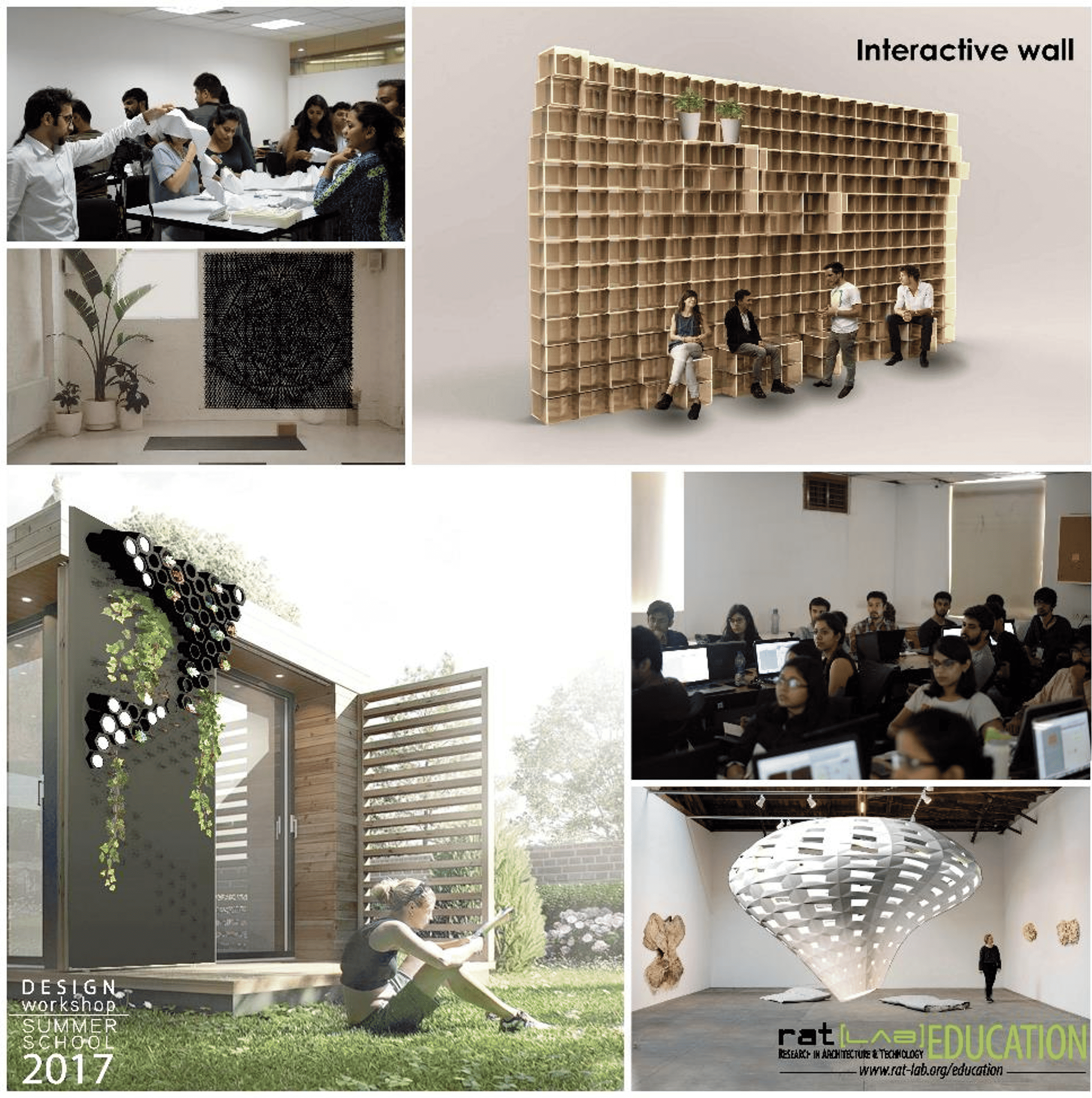
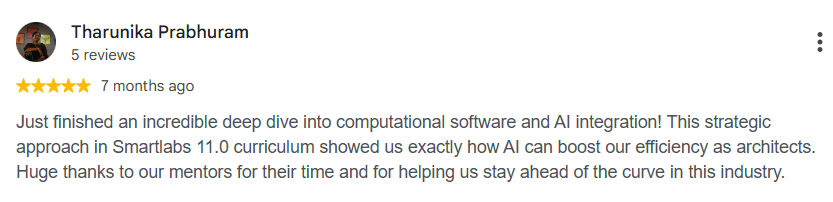
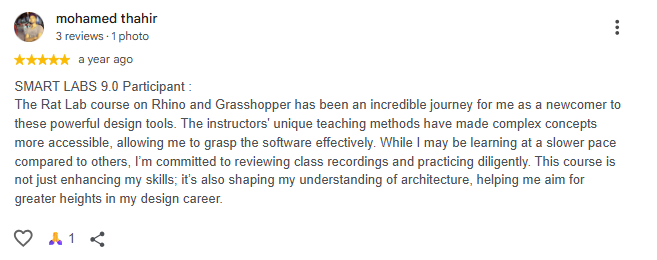
No. Tools like Grasshopper for Rhino let you build computational logic visually, without writing code. rat[LAB]EDUCATION's programmes — including smartLABS 13.0 — are built around Rhino, Grasshopper, Maya and AI-integrated design workflows, not programming languages.
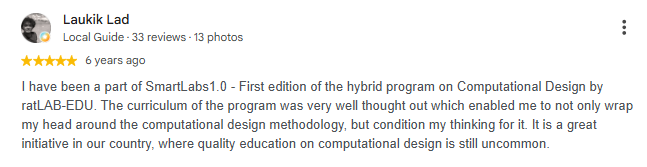
It depends on how much time you can commit right now. rat[LAB]EDUCATION and EDU[LAB]INDIA offer five entry points, from a free community (Parametric Minds India) to self-paced online learning, 3-hour live masterclasses, a 2-day intensive workshop (Filling the Void), and the 6-month hybrid flagship programme, smartLABS 13.0.
Most of the ecosystem — Parametric Minds India, EDU[LAB]INDIA, and the Masterclasses — is fully online. smartLABS 13.0 is hybrid: live online studio sessions combined with in-person studio and fabrication work in New Delhi, open to participants joining from anywhere in the world.